Auto Collision Repair Process: A Step-by-Step Guide for Montebello Drivers
Getting into a car accident is stressful, and not knowing what happens next can make it worse. This guide walks Montebello drivers through every stage of the auto collision repair process so there are no surprises along the way.
Montebello, CA, sits right along the I-60 freeway corridor, one of the busiest stretches of highway in the San Gabriel Valley. Heavy daily commuter traffic between East Los Angeles, Commerce, and Monterey Park means fender benders and more serious collisions happen frequently in this area. When you need collision repair in Montebello, knowing what the body shop process looks like can help you feel more in control from day one. Choosing the right body shop makes a significant difference in both the quality of the outcome and the ease of the experience.
Step One: Intake, Inspection, and Your Estimate
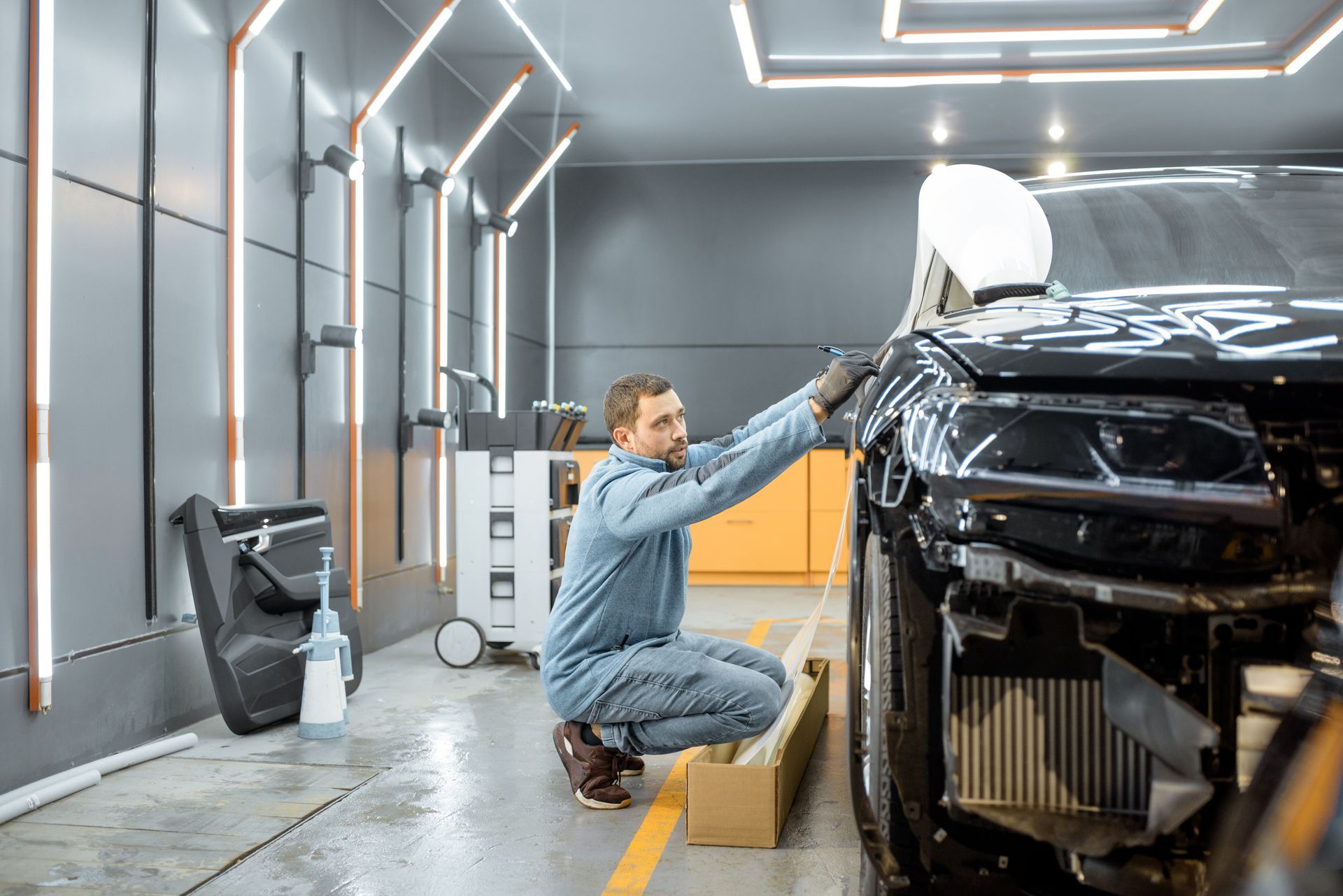
A trained estimator examines your vehicle and documents all visible damage before any repair work begins.
When you bring your car in, a technician will look over the exterior and, in some cases, the undercarriage. They will photograph the damage and create a written estimate. This estimate outlines the labor, parts, and scope of work involved. You have the right under California law to choose your own repair shop, regardless of what your insurance company recommends.
Step Two: Working Through Insurance Approval
Insurance coordination can be the longest part of the repair process and often determines when physical repairs begin.
Once the estimate is submitted, the shop works with your insurance adjuster to get the scope of repairs approved. Adjusters may request a virtual review or an in-person inspection. For drivers with State Farm, AAA, or Mercury Insurance policies (all commonly held by Montebello, CA, residents), this step can sometimes take a few business days. Supplement approvals for hidden damage found later in the process are also common and are handled directly between the shop and your insurer.
Step Three: Disassembly and Full Damage Assessment
Disassembly reveals damage that no pre-repair inspection can catch from the outside.
Once your vehicle is approved for auto collision repair, technicians disassemble the affected panels and sections. This is when hidden structural damage, bent frame rails, or compromised supports often become visible. If additional damage is found, the shop submits a supplement to your insurer before proceeding. This step protects you by ensuring the final repair scope is complete, not just cosmetic.
Step Four: Body Repair and Frame Correction
Structural integrity is restored before any cosmetic work begins in the auto collision repair process.
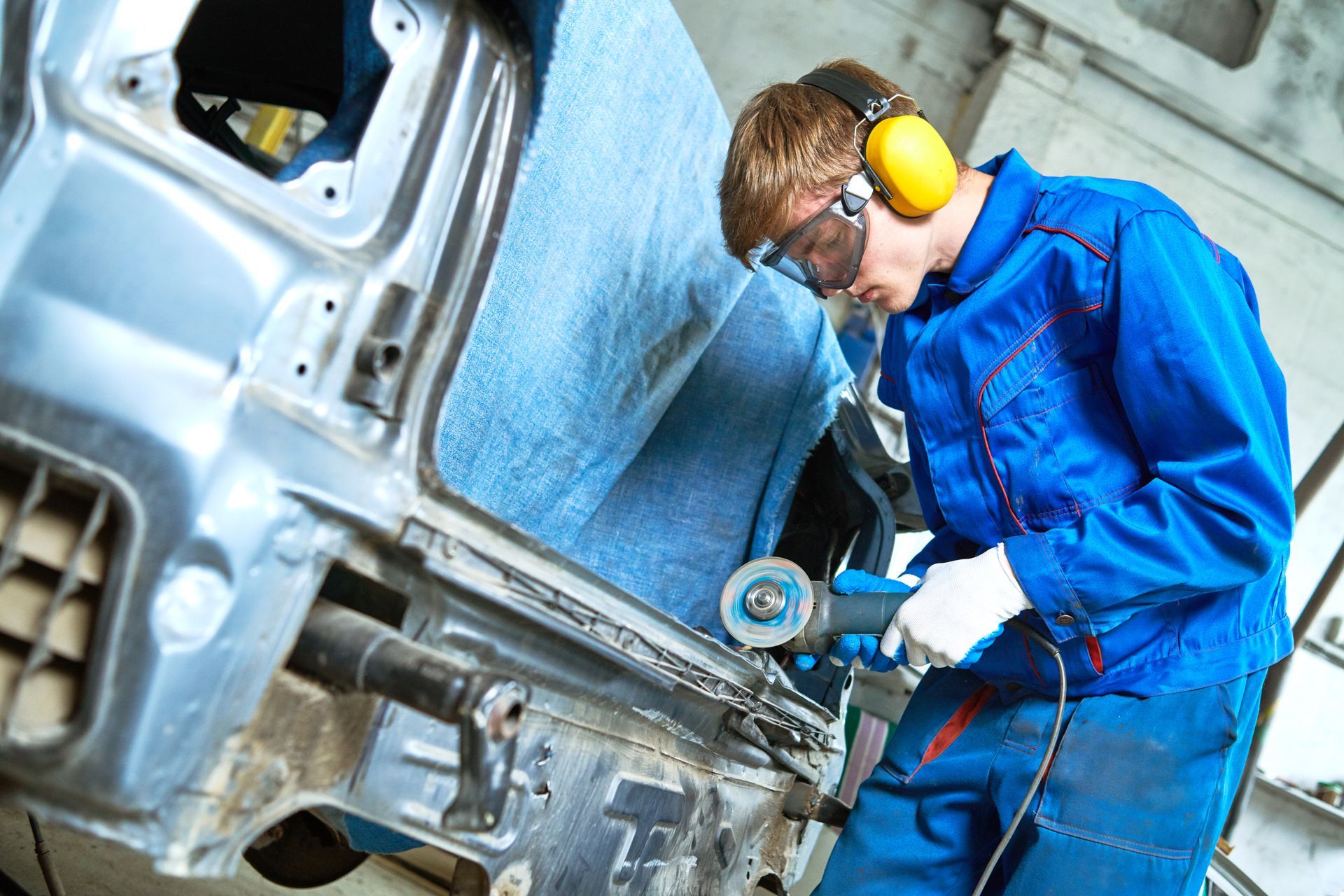
Body technicians use specialized equipment to pull and reshape metal that has been bent or crushed. Vehicles with significant front or rear impact may require frame straightening on a dedicated measuring system. This step is critical because a vehicle that is not structurally straight may not perform correctly in a future collision. Repairs to aluminum panels, which are common on newer vehicles, require separate tools and trained technicians. Selecting a qualified shop ensures this structural work meets manufacturer standards.
Step Five: Paint Matching and Refinishing
A proper paint match restores your vehicle's appearance so the repair is invisible to the eye.
Modern vehicles use complex multi-stage paint systems with base coats, clear coats, and sometimes pearl or metallic flake layers. Technicians use computerized color-matching tools to identify and mix your vehicle's exact color code. The panel is then prepped, primed, painted in a controlled spray booth, and clear-coated. Montebello's warm, dry climate is generally favorable for paint curing, though dusty days near the I-60 can affect prep work done outside.
Step Six: Reassembly, ADAS Calibration, and Quality Checks
Modern vehicles often require sensor and camera recalibration after auto collision repair.
Once paint has cured, all panels, trim pieces, lights, and hardware are reassembled. Vehicles equipped with Advanced Driver Assistance Systems (ADAS) may require calibration of cameras, radar sensors, or lane-keeping modules that were affected by the collision or the repair process. Skipping this step can disable safety features like automatic emergency braking or lane departure warnings. A final quality inspection checks panel gaps, paint finish, all mechanical connections, and lighting before the vehicle is cleared for pickup. Completing every phase of the repair correctly protects both safety and long-term vehicle value.
Frequently Asked Questions About Collision Repairs
How Long Does Auto Collision Repair Typically Take?
Repair timelines vary based on damage severity, parts availability, and insurance approval speed. A minor fender repair may take a few days, while significant structural work can take two to three weeks or longer. Parts delays, especially for newer models or imported vehicles, can also extend the timeline.
Will My Insurance Cover a Rental Car During Repairs?
Many California auto insurance policies include rental reimbursement coverage, but not all do. Check your declarations page or call your insurer directly to confirm whether rental coverage applies to your claim and what the daily limit is.
Can I Arrange Towing Directly to the Shop?
Yes. California law allows you to direct your towing company to deliver your vehicle to any licensed repair facility you choose. If your vehicle is not drivable after an accident, contact the shop before your vehicle is towed so the team can prepare for intake and coordinate with your insurance carrier right away.
Do I Have to Use the Repair Shop My Insurance Company Recommends?
No. Under California law, you have the right to choose any licensed collision repair facility you prefer, regardless of which shop your insurance company suggests. Insurers may recommend shops within their preferred network, but that recommendation is not a requirement. Choosing a shop you trust, one that communicates clearly and stands behind its work, is always within your rights as a vehicle owner.
Ready to Start Your Repair? Empower Collision Center Is Here to Help
When you need dependable collision repair serving Montebello, CA, and the surrounding San Gabriel Valley communities, Empower Collision Center is ready to guide you through every step. The team offers transparent communication, works directly with your insurance company, and treats every vehicle with careful attention to detail.
Call (562) 692-1880 to speak with the team, or visit their collision repair services page to learn more about what is covered. Free quotes are available, so you can understand the full scope of your repair before any work begins.
Recent Posts